How To Choose The Right River North Condo Amenities
February 19, 2026
February 19, 2026
You are spoiled for choice in River North. From skyline pools to co-working suites, many buildings pack in features that look amazing on a tour but come with real monthly costs. If you are weighing two great condos with different amenity packages, it can be hard to know what actually fits your life, your budget, and your long-term plans. In this guide, you will learn how each amenity affects fees and reserves, how to spot special assessment risk, and which documents to request before you commit. Let’s dive in.
River North is a dense, near-north neighborhood known for restaurants, galleries, and nightlife, with a high concentration of modern residential towers near the river and transit. That mix makes building amenities a central part of the lifestyle and of resale appeal in the area. You can read a concise overview of the neighborhood on the River North page on Wikipedia for context about location and character (River North on Wikipedia).
In recent years, downtown developers have competed by building thoughtful shared spaces instead of simply adding square footage inside units. Rooftops, co-working lounges, and fitness centers are now standard in many high-rises, and that trend is visible across Chicago’s urban core. If you are moving to River North, it is smart to evaluate amenities as part of the full value proposition, not just as tour-day eye candy (Axios on luxury amenities trends).
A small cardio room has a very different cost profile than a full-floor health club with weights, studios, and class space. In River North, you will see high-end examples in new towers that rival commercial gyms. Maintenance, HVAC, cleaning, and periodic equipment replacement all show up in the operating budget and reserves. If you will use the gym several times per week, this can replace an outside membership. If not, you might pay higher dues for something you rarely touch.
You can browse an example of a full-service amenity program to get a feel for scope and staffing by looking at a modern downtown tower like Wolf Point East, which highlights fitness, co-working, pool, and more (Wolf Point East amenities).
Indoor and outdoor pools bring recurring operating costs that include chemicals, filtration, service contracts, and energy for heating or dehumidification. They also add large capital items to reserve studies like pumps, heaters, and liners. Industry resources show that pool maintenance varies widely by size and type, and that long-term equipment cycles can be significant for associations (pool maintenance cost overview).
Pools can also affect insurance. Association liability exposure may rise with a pool, and owners often add loss-assessment coverage to their HO-6 policies as a safeguard against assessments tied to a major claim on the master policy. Ask for the association’s insurance declarations and deductible information so you understand gaps before you buy (condo insurance vs master policy basics).
If you swim often or want a resort feel at home, a pool can be worth the cost. If you barely swim, it becomes a high-cost line item you subsidize for others.
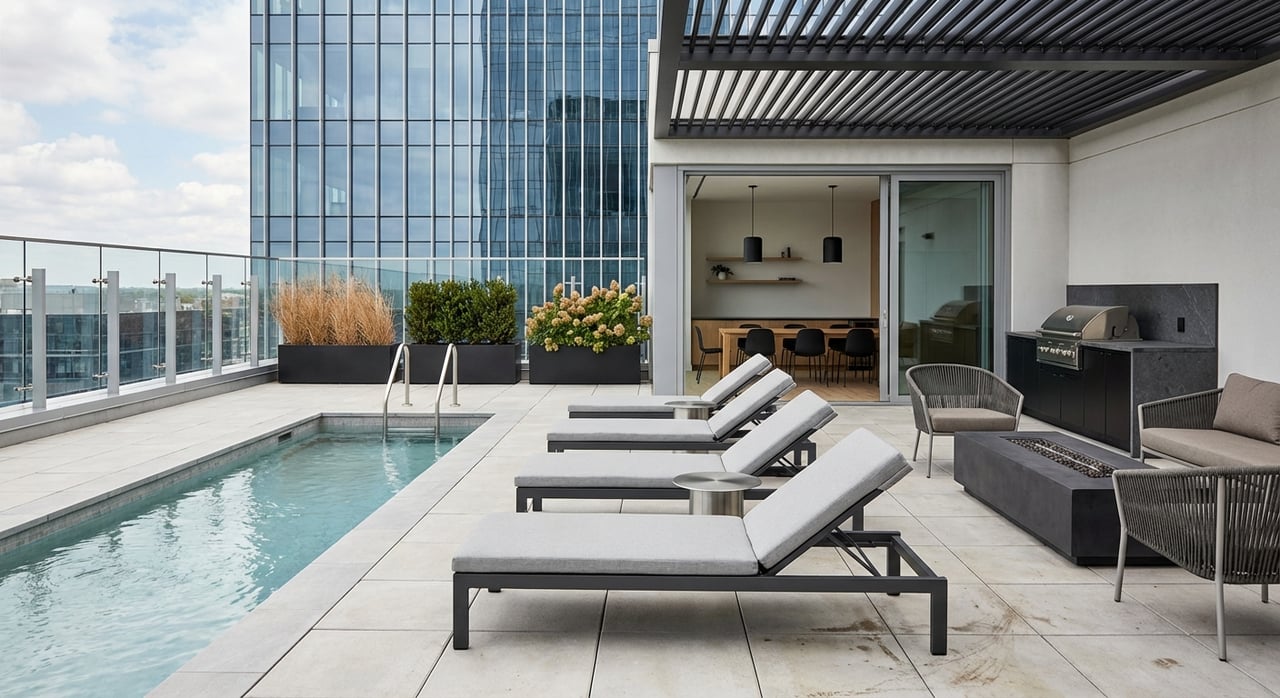
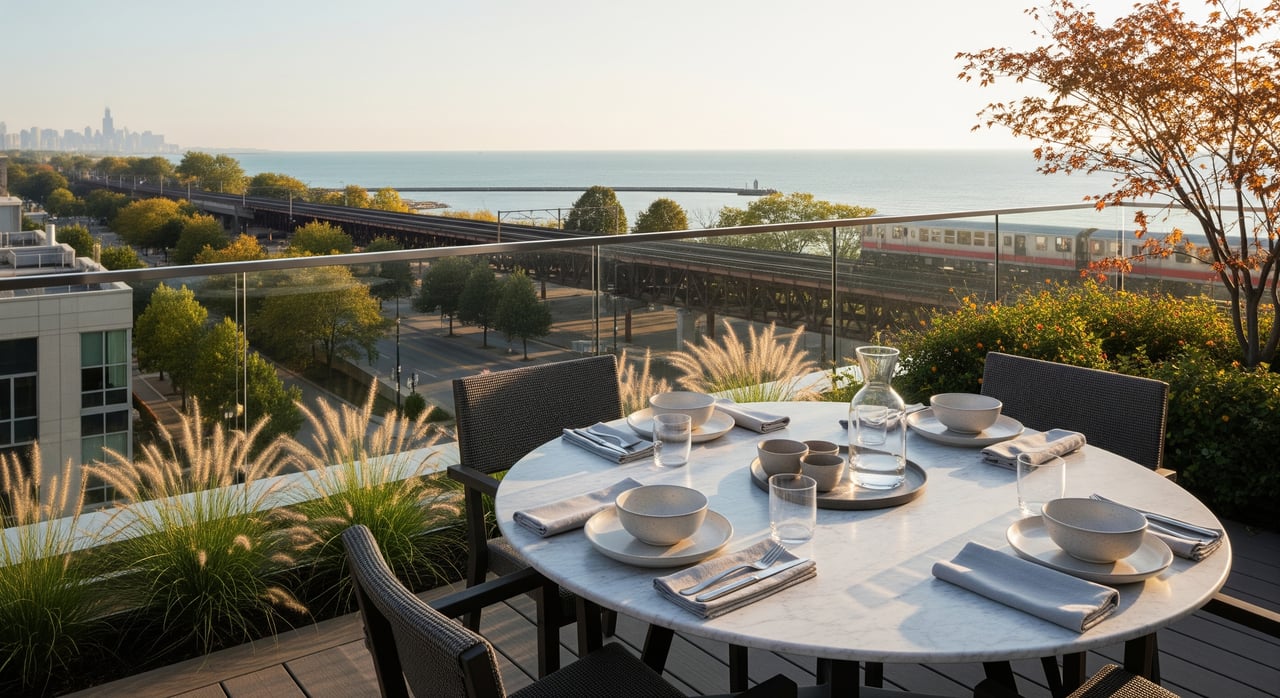
Landscaped rooftops, lounges, grills, and fire pits are common in newer River North buildings. These spaces create real daily value for entertainers and anyone who wants outdoor space without leaving home. The flip side is ongoing landscaping, furniture upkeep, and periodic waterproofing or structural work, which belong in the reserve study. Make sure the building has a plan and balance to cover those future projects. A large terrace refresh without savings can lead to special assessments.
One Chicago’s design pages give a sense of the modern outdoor living trend in the neighborhood’s mixed-use towers (One Chicago design overview).
Co-working areas with strong Wi-Fi, meeting rooms, and private call spaces are a standout for hybrid workers. You might be able to choose a smaller unit if the building offers reliable workspaces you will use. Operating costs include technology, cleaning, and sometimes staffing. If you rarely work from home, this can become a nice-to-have that you pay for, but do not need.
Dog runs and pet-wash stations are useful for pet owners, especially in winter. These features add modest operating costs and some rule enforcement needs. If you have a dog, this can be essential. If not, it is a shared cost that will not improve your daily routine.
Staffed lobbies support deliveries, guest access, and security. For many condo owners, this is a top convenience. It is also one of the largest recurring operating expenses in a full-service building. Public salary data shows typical Chicago doorman and concierge pay in the tens of thousands per employee per year, and that cost is spread across owners through monthly assessments (Chicago doorman salary snapshot). If you value the service, budget for the premium. If you do not need it, consider buildings with part-time or virtual solutions.
Structured parking and valet operations can be capital intensive. Membranes and lifts eventually need work, and EV charging adds electrical load and management questions. If you own a car, compare the monthly cost of on-site parking against off-site garages or transit options. If you do not own a car, avoid paying for features you will not use.
In the e-commerce era, a secure package room or locker system is a daily convenience. Storage and bike rooms are similar. These features usually have small operating costs and provide high utility for many residents.
Golf simulators, music rooms, wine storage, or private dining rooms can be fun differentiators in larger luxury towers. They also add to both operations and reserves. If you will use them often, they can support resale within the neighborhood’s buyer profile. If not, treat them as marketing features, not must-haves.
Amenities add to utilities, staffing, cleaning, supplies, and vendor contracts. They also create capital-replacement cycles. Healthy associations commission reserve studies to plan for lifecycle repairs and replacements, then fund reserves accordingly. If a building has heavy amenity loads and a thin reserve balance, you are looking at higher risk of a special assessment when a big project comes due. A good primer on how reserve studies help avoid surprises is available from CAI, the Community Associations Institute (reserve study guidance).
When reserves are not sufficient for a needed project, the association can levy a special assessment on owners. In Illinois, owners are responsible for assessments, and unpaid assessments can result in a lien on the unit. Low monthly fees by themselves do not guarantee low total costs. Always look for the reserve plan, current balance, and any notices of upcoming projects or assessments (Illinois assessment liability overview).
The association’s master policy does not cover every loss the building could face, and deductibles can be large. An uncovered portion of a claim or a large deductible can be charged back to owners through an assessment. Many condo owners add a loss-assessment endorsement to their HO-6 insurance to protect against that risk. Ask for the master policy summary, coverage type, and all deductibles, and then review your own policy options with your insurer (master policy vs unit policy basics).
Lenders underwrite the project in addition to you. They look at financial health, reserves, delinquency rates, owner-occupancy mix, litigation, and even the share of commercial space. If a building shows weak reserves, recent large assessments, high delinquency, or non-standard features, FHA or conforming financing can be difficult. If you plan to use FHA, VA, or a standard conventional loan, ask your lender early about project eligibility and documentation needs (Fannie Mae condo project requirements).
Use this quick tool to decide what to prioritize and what to skip:
Request these items early and review them carefully, ideally during attorney review or as a purchase contingency.
Key questions for the board or manager:
Red flags to watch:
Here is a simple apples-to-apples method when two condos compete for your attention:
Use publicly available building pages to get a feel for modern amenity programs in the neighborhood and nearby areas:
These examples can help you visualize scale and maintenance needs even if you ultimately buy in a different River North condo association.
The right River North condo amenities should fit your daily routine, support your budget, and come with a financially healthy association behind them. Focus on what you will use each week, verify reserves and insurance details, and keep your lender looped in early about building eligibility. If you do that, you will enjoy the perks without unwanted surprises.
If you want building-by-building guidance and a quick read on reserves, assessments, and amenities before you tour, reach out to The ZIP Group. We will help you prioritize the features that matter and spot risk before you write an offer.
Stay up to date on the latest real estate trends.

Get assistance in determining current property value, crafting a competitive offer, writing and negotiating a contract, and much more. Contact us today.