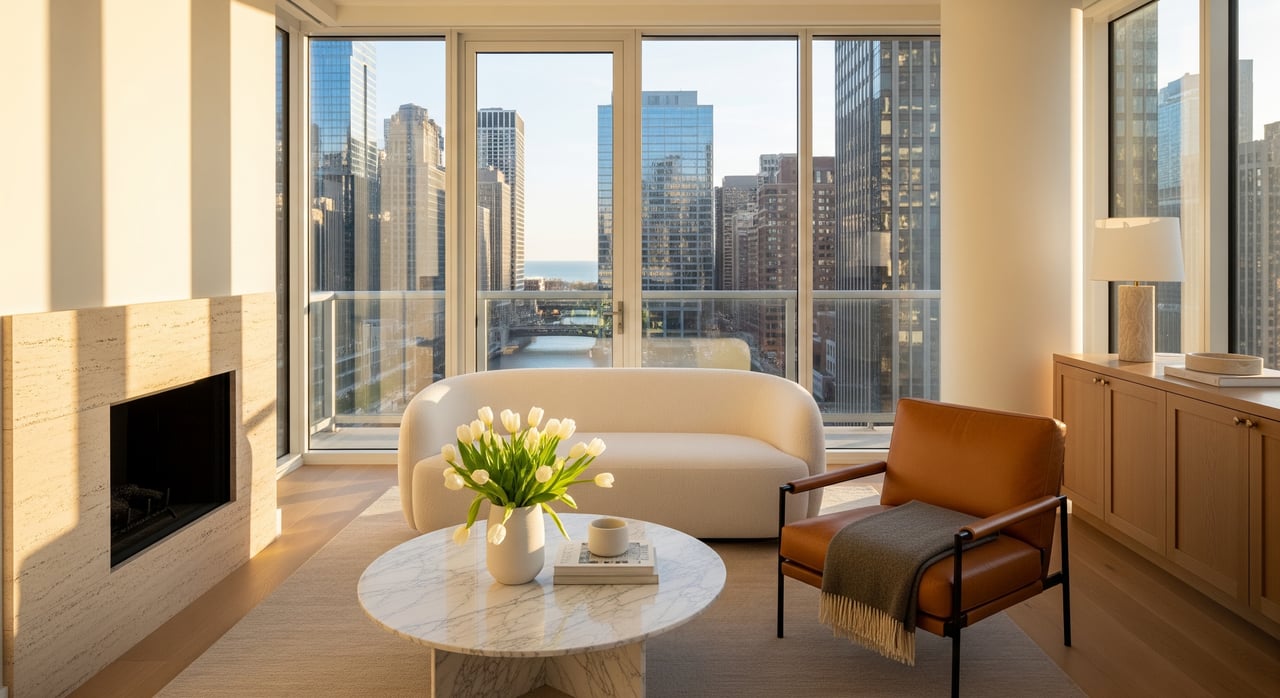
What Everyday Condo Living Feels Like In The Loop
February 5, 2026
February 5, 2026
Ever wonder what it actually feels like to live in a Loop condo day to day? If you picture short walks to work, culture at your doorstep, and weekend Riverwalk strolls, you’re on the right track. At the same time, you’ll juggle urban tradeoffs like parking costs, event crowds, and smaller floor plans. In this guide, you’ll see how commuting, dining, green space, and building life come together so you can decide if the Loop fits your routine. Let’s dive in.
The Loop is Chicago’s center of gravity. You’re surrounded by office towers, theaters, museums, and high‑rise residences. The streets are lively during the workweek, then shift to a more leisure‑focused energy on weekends. If you like vertical living, walkability, and immediate cultural access, the Loop delivers it in a big way.
You can live a car‑light lifestyle here. The area is served by multiple CTA rail lines and frequent buses, so getting around is fast and simple. You can review routes and maps through the official CTA service site.
If you commute to the suburbs, Metra’s downtown terminals are right in or next to the Loop. Check schedules and lines on Metra’s site. Many residents walk to work or hop on transit, then use ride‑share, bike‑share, or rentals when needed.
Winter adds a twist, but the downtown Pedway helps. This network of indoor and underground walkways connects many buildings and stations, giving you covered routes in bad weather. Learn more about downtown connections on the City of Chicago’s site.
Owning a car is possible, but you should plan for extra costs. Many buildings offer on‑site parking or partner garages, often at a premium. Street parking is limited, with permits and time limits. If you only need a car occasionally, ride‑share or rentals may be more cost‑effective than paying monthly for a dedicated spot.
Weekdays bring a strong daytime dining scene. You’ll find quick lunch spots, cafes, and food halls that serve office workers and residents. Evenings lean into pre‑ and post‑theater dining, hotel lounges, and rooftop bars. For neighborhood updates and cultural programming, explore the Chicago Loop Alliance.
If you want late‑night bar clusters, you’ll find more of that just across the river in River North. In the Loop, think convenient coffee in the morning, a solid dinner before a show, and a scenic nightcap with skyline views.
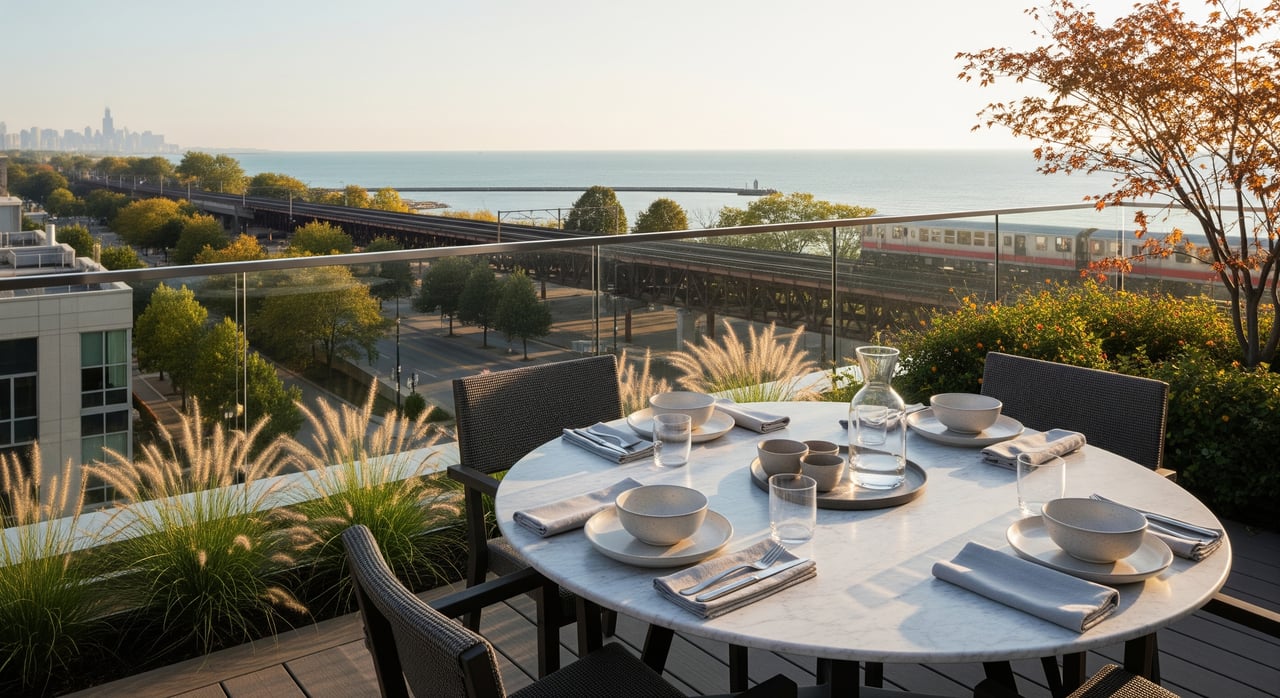
One of the best parts of Loop living is how fast you can get outdoors. The Chicago Riverwalk is a scenic place to walk, grab a snack, and enjoy the water in warmer months. For official info and seasonal updates, visit the City of Chicago.
Millennium Park and Maggie Daley Park are close, offering lawns, art, skating, and concerts. See current programming and events at Millennium Park and the Chicago Park District. In spring through fall, the Riverwalk and parks are vibrant. In winter, many residents shift to indoor cultural venues and use the Pedway for easier walks.
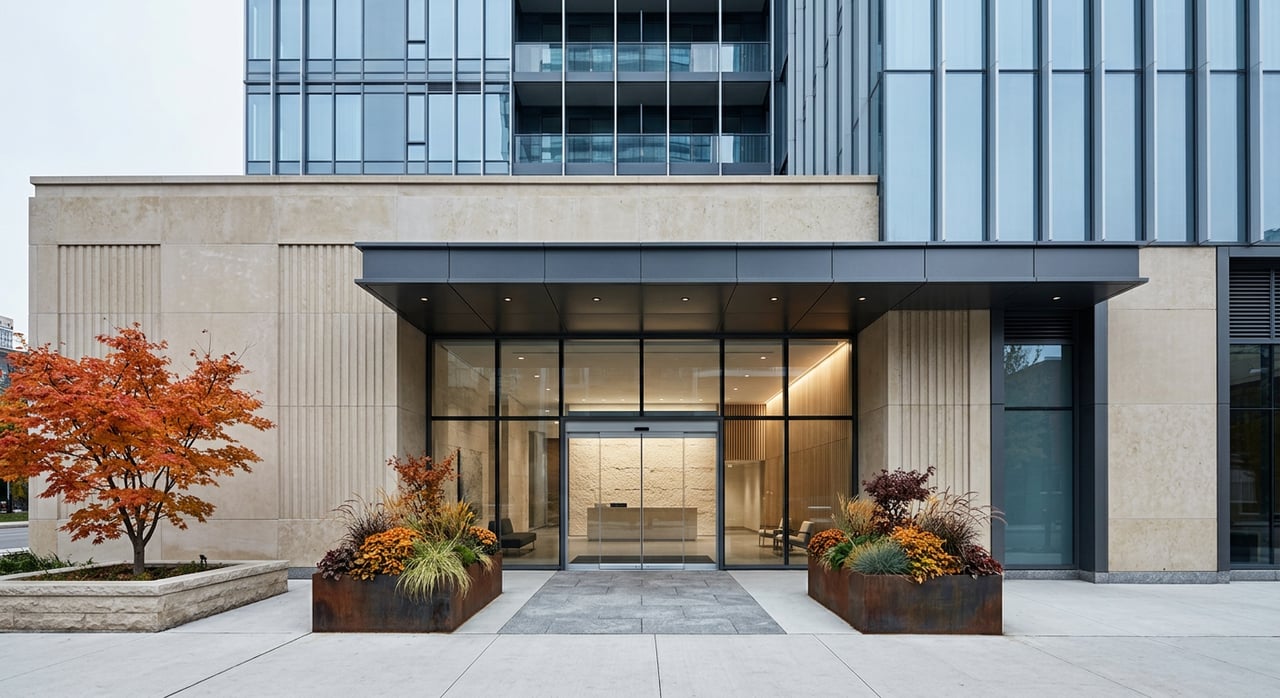
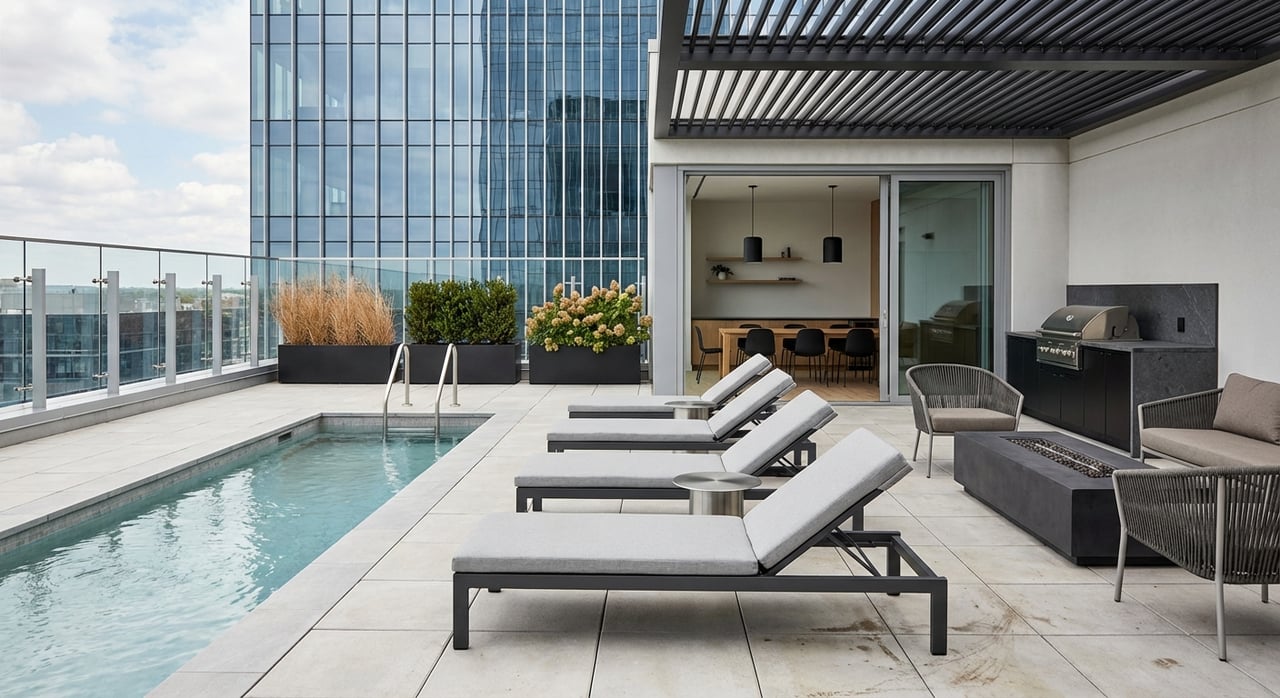
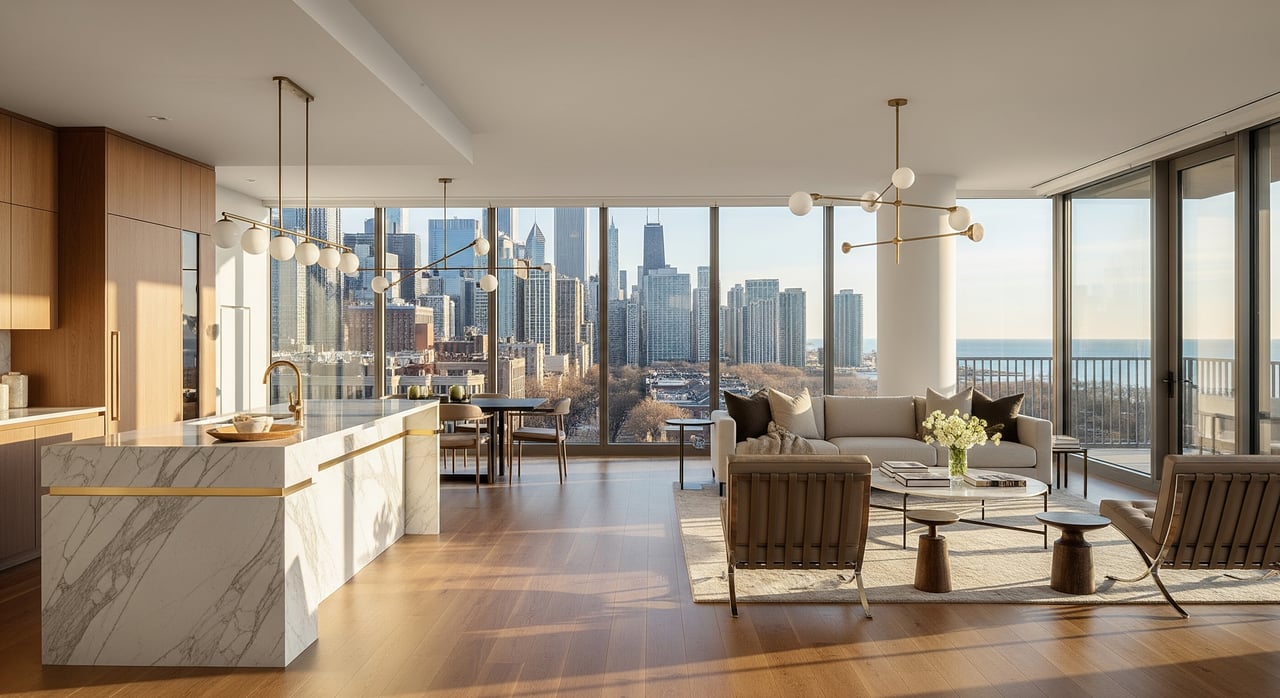
Most condos here are in mid‑ to high‑rise towers with amenities like door staff, package rooms, fitness centers, lounges, and sometimes pools. You’ll see a mix of new luxury towers, classic mid‑century buildings, and historic conversions. Many units skew toward studios and one‑bedrooms, with larger layouts available in newer or premium buildings.
Plan your monthly budget beyond the mortgage. Typical costs include HOA fees, property taxes, and parking if needed. Full‑service buildings with door staff and amenities often carry higher HOA fees. Before you make an offer, review the building budget, recent meeting minutes, reserve studies, and any planned capital projects so you understand potential assessments.
You’ll feel the city’s pulse here. Summer festivals, holiday markets, and cultural events bring crowds and energy. Lower floors and units near busy streets can hear more ambient sound, while higher floors and well‑insulated buildings often feel quieter. The upside is you’re close to concerts, theater, art, and river views with almost no commute.
For a clear picture of downtown activity and safety resources, use official data sources like the Chicago Data Portal and the Chicago Police Department site.
If your top priority is a short walk to work and a culture‑first lifestyle, the Loop is hard to beat. If you want later‑night bar action, River North might fit better. If you want a trend‑forward dining scene with a neighborhood touch, consider the West Loop.
Choosing the right Loop condo is about the details: building finances, amenity tradeoffs, floor height, noise exposure, and day‑to‑day convenience. We help you compare buildings, review HOA documents, test commutes, and plan budgets so there are no surprises. We also coordinate tours around your schedule and offer virtual showings if you’re relocating.
Ready to explore the Loop at street level and find the building that fits your life? Let’s talk. Reach out to The ZIP Group to schedule a consultation.
Stay up to date on the latest real estate trends.
Get assistance in determining current property value, crafting a competitive offer, writing and negotiating a contract, and much more. Contact us today.