Lincoln Park Vs Lakeview Condos: How To Choose Your Fit
March 5, 2026
March 5, 2026
Choosing between Lincoln Park and Lakeview for your next condo can feel like comparing two great versions of the same idea. Both offer lake access, classic Chicago architecture, and lively commercial streets. The real question is which daily rhythm, building style, and price point fit you best. In this guide, you’ll get a clear snapshot of each neighborhood, real numbers to frame your budget, and a quick checklist to make a confident decision. Let’s dive in.
Lincoln Park and Lakeview sit back to back on Chicago’s North Side, sharing the shoreline and access to the Lakefront Trail. Lincoln Park is defined by its namesake park and cultural anchors, including the free zoo, conservatory, and beaches that line the neighborhood’s edge. The park is the star amenity and shapes a calm, green, lake-first lifestyle. Explore the park’s highlights through the Chicago Park District’s overview of Lincoln Park’s assets and facilities.
Lakeview stretches immediately north and is larger and more varied block to block. You’ll find lakefront high-rises in East Lakeview, quieter residential pockets around the Southport Corridor, and high-energy blocks near Wrigley Field and Northalsted. For a broad neighborhood primer on sub-areas like Wrigleyville, Northalsted, and the Southport Corridor, see the Lake View neighborhood summary.
Bottom line: you share the lake and plenty of amenities either way. Lincoln Park leans park-forward and polished. Lakeview offers more micro-pockets, from calm residential streets to sports and nightlife hubs.
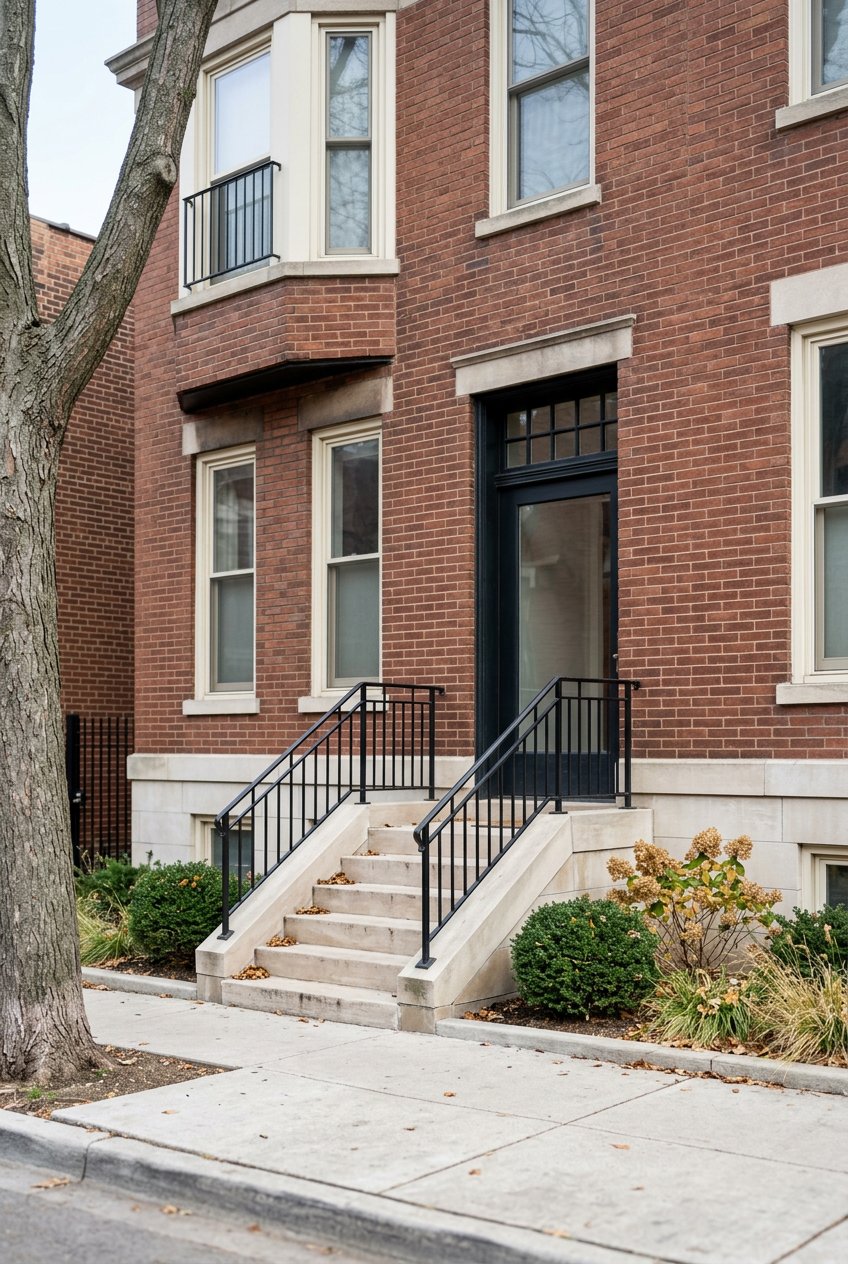
On Lincoln Park’s tree-lined side streets, you’ll see historic rowhouses, greystones, and vintage walk-ups that have been converted to condos. Closer to the lake and along major corridors, mid- and high-rise buildings offer elevator living, views, and on-site services. The neighborhood also includes notable historic rehabs and curated renovations, like the Belden-Stratford’s recent refresh highlighted in Axios reporting.
Lakeview’s inventory mirrors Lincoln Park’s mix but with more extensive high-rise stock along the East Lakeview lakefront. Move a few blocks inland and you’ll find classic greystones, three-flats, and courtyard buildings near quieter residential streets. Closer to Wrigley and Northalsted, density and mixed-use buildings increase, with more rental and hospitality uses near the ballpark.
Chicago’s two- and three-flats are common in both neighborhoods and remain a defining local form. If you are considering a small multi-unit, review unit counts, utilities, and permit history, and be mindful of zoning context. For a deeper look at the typology’s place in city housing, see this academic background on Chicago’s stacked-flat forms (study overview).
Neighborhood medians give you a quick frame of reference. As of January 2026, Redfin reported a median sale price around 750,000 dollars in Lincoln Park and about 575,000 dollars in Lakeview, with higher average price per square foot in Lincoln Park. These are all-home medians and your actual condo price will depend on building, size, finish level, and address.
There are also special cases. A recent example is The Seng in Lincoln Park, where below-market two-bed units were delivered in the high 200,000 dollar range due to targeted affordability programming, as covered by Axios. These cases are exceptions but show how product type and subsidy can shape pricing.
If the park is your everyday backdrop, Lincoln Park is hard to beat. You can walk to the zoo, conservatory, North Pond, and multiple beaches. The park’s scale supports a lifestyle built around runs, stroller walks, and weekend mornings outside. Get a feel for the full amenity set on the Chicago Park District’s Lincoln Park page.
East Lakeview brings you close to the water, with quick access to the Lakefront Trail, nearby beaches, and Belmont Harbor. If you like boating, lake views, or early-morning jogs along the water, pockets near the lake deliver. Learn more about harbor facilities from the Chicago Park District harbors overview.
Lincoln Park’s Armitage, Halsted, and Clark corridors offer a polished retail and dining mix near the park. For an overview of neighborhood highlights and dining, check the Choose Chicago Lincoln Park guide.
Lakeview’s variety is broader. You will find late-night energy in Wrigleyville, boutiques and brunch spots along the Southport Corridor, and a lively scene in Northalsted. Expect predictable spikes of activity around Wrigley on game and event days, as noted in Choose Chicago’s Wrigley Field profile.
Both neighborhoods have strong CTA rail coverage, but your address matters. The Red Line serves Lakeview with 24-7 service at key stops and connects quickly to the Loop. The Brown Line and Purple Express also serve the area, with important transfer points at Fullerton on the neighborhood border. Lincoln Park has Brown Line access at stations like Armitage, recently renovated for improved access and reliability per the CTA’s Armitage station update.
If you rely on rail to the Loop, proximity to a Red Line stop can shorten your trip. If you prefer biking, both neighborhoods have excellent access to the Lakefront Trail, especially on the east side.
Use these five questions to focus your search.
Primary daily rhythm. Do you want the park and lakefront as your backdrop or a dense retail and nightlife corridor? If the park calls you, Lincoln Park or East Lakeview likely fits. The Chicago Park District’s Lincoln Park overview shows what a true park-first lifestyle looks like.
Building type. Do you prefer a vintage greystone or a full-amenity elevator building? High-rise views concentrate along the lakeshore. Side streets in both neighborhoods offer smaller-scale walk-ups and three-flats.
Noise tolerance. Are game-day crowds a factor? If not your thing, avoid blocks nearest the ballpark on event days and consider Southport Corridor or Lakeview East alternatives. The Wrigley Field events page gives a sense of the calendar.
Budget and size. Lincoln Park generally shows higher price per square foot in neighborhood summaries, while Lakeview offers a wider spread with mid-market options. Start with the ranges above, then refine with current comps.
Investment or owner-occupant. For two- and three-flats, prioritize verified unit counts, clear rent rolls, adequate reserves, and a capital-needs inspection. Use the Cook County property search to validate parcel data and tax history.
Profile A — Lake-focused professional. You want a bright one-bed or compact two-bed with quick access to the Lakefront Trail and an active evening scene. East Lakeview or Lincoln Park near the lake fits. Budget typically targets one-beds in the 200,000 to 450,000 dollar range, depending on building and amenities.
Profile B — Park-oriented mover-up. You want green space, a refined retail scene, and a larger two- or three-bed in a renovated vintage building or townhouse-style condo. Side streets in Lincoln Park are a strong match. Expect budgets starting around the 600,000 dollar mark for larger units in prime spots, with plenty of variance by address and level of finish.
Profile C — Investor or small multi-unit buyer. You are shopping for a two- or three-flat with stable income or conversion potential. Both neighborhoods offer opportunities. Your due diligence list is longer: permits, rent rolls, reserve needs, and county records.
Before you write an offer, work through this quick list.
At The ZIP Group, we tour both neighborhoods every week and track building-level details that help you compare apples to apples. If you want a shortlist of best-fit buildings and current comps for your budget, we can help you get there faster.
Ready to find your fit on Chicago’s North Side. Reach out to The ZIP Group for a personalized plan, curated showings, and building-by-building guidance.
Stay up to date on the latest real estate trends.


Get assistance in determining current property value, crafting a competitive offer, writing and negotiating a contract, and much more. Contact us today.